

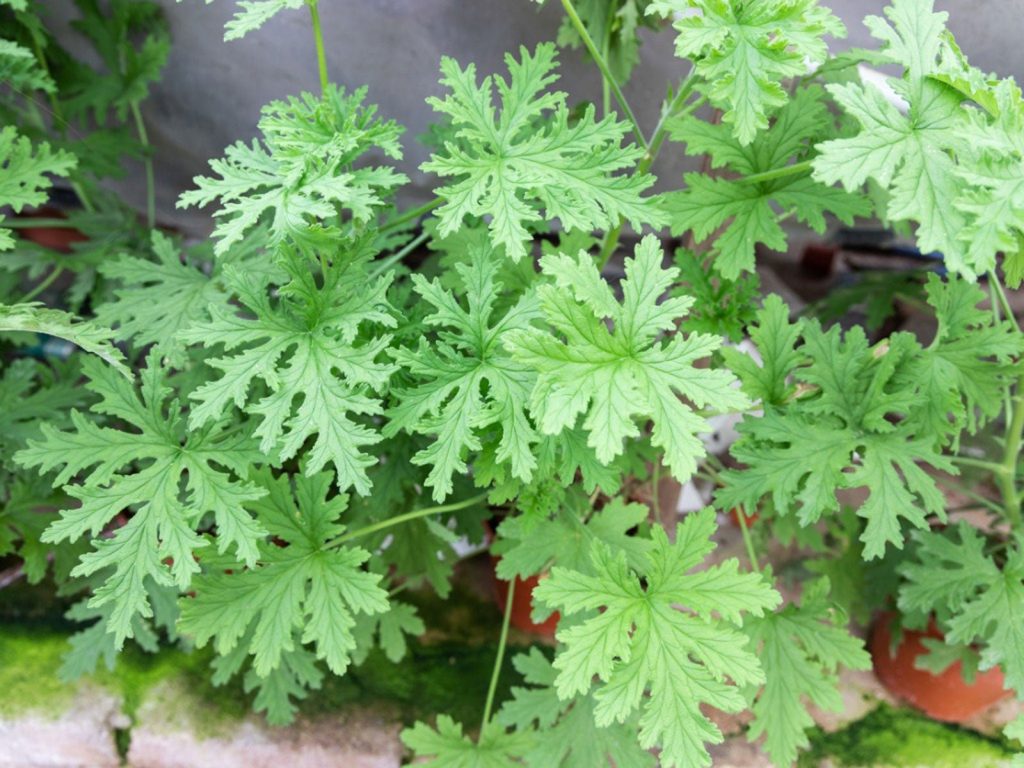
Citronella is generally safe for dogs in small amounts, but caution is key. This popular ingredient, often found in candles and sprays to repel insects, can irritate your dog’s skin or digestive system if used improperly. While many pet owners seek natural solutions for pest control, understanding the potential effects on your furry friends is essential. So, is citronella safe for dogs? Let’s dive into what you need to know to keep your pet happy and healthy while enjoying the outdoors.

Is Citronella Safe for Dogs?
Citronella is a popular natural repellent, often used in candles, sprays, and oils to keep pesky mosquitoes and other insects away. Many pet owners may wonder if citronella is safe for their furry friends. In this section, we will explore the safety of citronella for dogs, its potential effects, and how to use it responsibly.
What is Citronella?
Citronella comes from the leaves and stems of different species of lemongrass, notably Cymbopogon nardus and Cymbopogon winterianus. The oil extracted from these plants has a strong lemony scent, which repels insects, especially mosquitoes.
- Nature: Citronella is a natural essential oil.
- Uses: It is commonly used in candles, sprays, and lotions to deter insects.
- Aroma: The strong citrus fragrance is appealing to humans but can be overwhelming to some animals.
How Citronella Works
The strong scent of citronella masks the odors that attract insects. When people use citronella candles or sprays, they create a barrier that reduces the chances of mosquitoes and other bugs coming close.
Insect Repellent Properties
Citronella works effectively as a repellent by:
- Disrupting an insect’s sense of smell.
- Creating an unpleasant environment for bugs.
This makes it a favored choice among those looking for a more natural approach to pest control.
Is Citronella Safe for Dogs? Exploring the Risks
While citronella is often viewed as a natural product, it is important to understand its potential effects on dogs. Here are some key points to consider:
Direct Contact and Inhalation
Direct exposure to citronella oil can cause irritation or allergic reactions in some dogs. Symptoms to watch for include:
- Skin irritation or rash.
- Red or watery eyes.
- Vomiting or diarrhea if ingested.
Candles and Sprays
Using citronella candles or sprays may expose your dog to its scent. Dogs have a much more sensitive sense of smell than humans. While citronella may be safe in small amounts for some dogs, too much exposure can lead to respiratory issues.
Every Dog is Different
Some dogs may react negatively to citronella, while others may not show any adverse effects at all. It’s essential to monitor your pet when using citronella-based products and consult your veterinarian if you have concerns.
Potential Health Risks of Citronella for Dogs
Understanding the health risks associated with citronella is crucial for keeping your dog safe.
Eating Citronella
If a dog ingests citronella oil, it can result in gastrointestinal upset. Symptoms may include:
- Loss of appetite.
- Thirst.
- Diarrhea.
Ensure that citronella products are stored out of reach.
Allergic Reactions
Some dogs may have allergies to citronella. Signs of an allergic reaction can include:
- Hives or itchy skin.
- Swelling, particularly around the face and ears.
- Difficulty breathing or increased respiratory rate.
If you notice any of these symptoms, it’s vital to seek veterinary care immediately.
Using Citronella Safely Around Dogs
If you decide to use citronella for insect repellent, there are ways to do so safely:
Choose Products Wisely
Always opt for products specifically designed to be pet-safe. Look for citronella products without additional chemicals that could be harmful to dogs.
Use Citronella Outdoors
If you’re using citronella candles or sprays, use them in outdoor spaces where your dog can comfortably avoid them. Limit exposure during their time outside.
Monitor Your Dog
Keep an eye on your dog’s behavior around citronella products. If you notice any signs of discomfort, remove the source and provide fresh air.
Alternatives to Citronella for Insect Repellents
If you’re concerned about using citronella due to its potential risks, consider these alternatives for keeping insects at bay:
Natural Repellents
There are several natural substances that can repel insects without risking your dog’s health:
- Lavender Oil: Known for its calming effects, lavender can also help deter mosquitoes.
- Geranium Oil: This is another natural alternative that can keep insects away.
- Neem Oil: Derived from the neem tree, this oil is safe for dogs and helps repel bugs.
Creating a Bug-Free Yard
You can take steps to minimize insects in your yard:
- Keep your yard clean and free of standing water.
- Trim bushes and trees to reduce shaded areas where mosquitoes thrive.
- Plant insect-repelling plants like marigolds and basil.
What to Do If Your Dog is Exposed to Citronella
If your dog has had an adverse reaction to citronella, here’s what you can do:
Monitor for Symptoms
Keep an eye on your dog for any unusual behavior or symptoms. If you suspect they are having an allergic reaction or if they ingest citronella, it’s crucial to act quickly.
Contact Your Veterinarian
If your dog shows symptoms of distress, such as vomiting, difficulty breathing, or skin irritation, contact your veterinarian right away. They can provide the necessary care and advice for your dog’s specific situation.
In summary, citronella can pose potential risks to dogs, especially when used in large amounts or with sensitive individuals. While it may work effectively as an insect repellent, responsible usage is key to ensuring the safety and well-being of your pet. If you’re ever in doubt, consult your veterinarian before introducing new products into your pet’s environment.
As a dog owner, your priority is your dog’s health and comfort. By being aware of the effects of products like citronella and opting for safer alternatives, you can enjoy a bug-free environment while keeping your furry friend safe and happy.
Are citronella plants safe for dogs?
Frequently Asked Questions
“`html
Can citronella cause allergic reactions in dogs?
Yes, citronella can cause allergic reactions in some dogs. Symptoms may include skin irritation, redness, or rashes. If you notice any unusual reactions after using citronella products around your dog, it’s best to consult your veterinarian for advice.
Is citronella effective in repelling pests for dogs?
Citronella is known for its ability to repel mosquitoes and other pests. Many pet owners use citronella-infused products, such as candles or sprays, to keep these insects away from their dogs. However, effectiveness can vary, and it’s important to ensure that the product is safe for pets.
What are the alternatives to citronella for pest control around dogs?
Several alternatives to citronella are safe for use around dogs. Natural repellents like lavender, neem oil, and peppermint can help deter pests without the potential risks associated with citronella. Additionally, maintaining a clean environment and using screens or nets outdoors can also aid in keeping insects at bay.
How should I apply citronella products if I have a dog?
If you choose to use citronella products, apply them in areas that your dog does not frequent. Avoid using sprays directly on your pet’s coat, and ensure any candles or diffusers are out of their reach. Always monitor your dog for any adverse reactions when using these products nearby.
What should I do if my dog ingests citronella?
If your dog ingests citronella, observe them for any signs of gastrointestinal distress, such as vomiting or diarrhea. Citronella can be toxic in large amounts. If you suspect your dog has ingested a significant quantity, contact your veterinarian or an emergency animal poison hotline immediately for guidance.
“`
Final Thoughts
Citronella is generally considered safe for dogs when used in appropriate amounts. However, some dogs may have sensitivities to citronella oil, leading to potential skin irritations or respiratory issues. Always monitor your dog for any adverse reactions, especially if you use citronella-based products.
Consult with your veterinarian before introducing citronella into your dog’s environment. Ultimately, while citronella is safe for dogs in many cases, individual reactions can vary. Being cautious and informed will help ensure your pet’s comfort and safety. So, is citronella safe for dogs? It can be, but always prioritize your dog’s health.


