
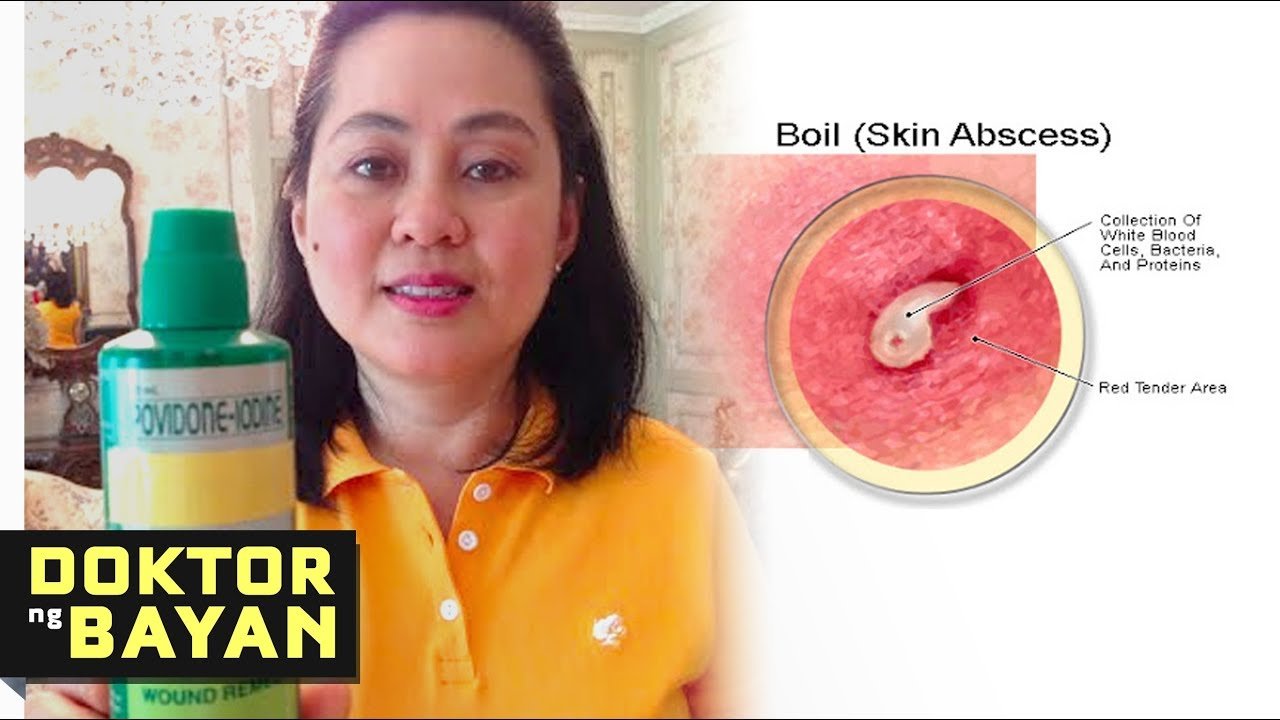
If you’re dealing with a painful pigsa sa kilikili, applying warm compresses and maintaining proper hygiene can provide immediate relief. Over-the-counter antibiotics and topical ointments are effective remedies to treat and prevent infection. Knowing the right gamot sa pigsa sa kilikili is essential to speed up healing and avoid complications. Addressing this skin issue promptly ensures comfort and prevents it from worsening or spreading.

Gamot sa Pigsa sa Kilikili: Effectively Treating and Preventing It
If you have ever noticed a small, red, and painful bump in your armpit, you might be dealing with a pigsa sa kilikili or a boil in your armpit. This common skin problem can be uncomfortable and sometimes embarrassing. But don’t worry! In this article, we will talk about everything you need to know about “gamot sa pigsa sa kilikili.” We’ll go over what causes it, how to treat it, and how to prevent it from coming back. Let’s start learning how to take care of your skin and feel better fast!
What Is a Pigsa sa Kilikili?
A pigsa sa kilikili is a skin infection that happens when bacteria enter small cuts or hair follicles in your armpit. The bacteria cause the tissue to become red, swollen, and filled with pus. This bump is called a boil or “pigsa” in Filipino. It can be very painful, making it hard to move your arm or do daily tasks. Sometimes, the boil will break open and drain pus. It’s common among children and adults alike, especially when hygiene is not well-maintained.
Causes of Pigsa sa Kilikili
Understanding what causes pigsa sa kilikili can help you avoid getting it. Here are the main causes:
Bacterial Infection
The most common cause is bacteria called Staphylococcus aureus. This bacteria live harmlessly on our skin but can cause infection if they enter through cuts or broken skin.
Poor Hygiene
Not keeping your armpits clean can lead to the buildup of sweat, dirt, and bacteria. Bacteria thrive in warm and moist areas like your armpits.
Friction and Irritation
Shaving, tight clothes, or repetitive rubbing can cause small cuts or irritation, making it easier for bacteria to infect your skin.
Weakened Immune System
If your body’s defense system is weak due to illness or lack of sleep, you are more likely to get infected by bacteria.
Other Factors
- Swelling or skin conditions
- Use of shared towels or clothes
- Diabetes or other health issues that affect immunity
Signs and Symptoms of Pigsa sa Kilikili
Knowing the signs can help you treat pigsa sa kilikili early. Common symptoms include:
- Red, swollen bump in the armpit
- Pain or tenderness around the bump
- warmth on the skin
- Formation of a white or yellow center (pus)
- Breakage or opening of the bump, releasing pus
- Possible fever if the infection spreads
Effective Gamot sa Pigsa sa Kilikili
There are many ways to treat pigsa sa kilikili. Some treatments are simple home remedies, while others may require a doctor’s help. Here’s what you can do:
Home Remedies for Pigsa sa Kilikili
Home remedies are the first step for small or mild boils. They are easy, safe, and inexpensive.
1. Warm Compress
Applying a warm compress helps to soften the boil and encourage it to drain naturally. To do this:
- Soak a clean cloth in warm water.
- Wring out excess water.
- Place it gently on the pigsa for about 10-15 minutes.
- Repeat 3-4 times a day to reduce pain and swelling.
2. Keep the Area Clean
Wash your armpit daily with mild soap and water. Dry thoroughly to prevent bacteria growth.
3. Avoid Squeezing or Popping
Never try to squeeze or pop the boil yourself. It can cause the infection to spread or worsen.
4. Use Over-the-Counter Antibiotic Ointments
Applying antibiotic ointments like mupirocin can help fight bacteria. Follow the instructions on the package.
Medical Treatments for Pigsa sa Kilikili
If home remedies don’t help or if the boil becomes larger, painful, or does not drain, see a doctor. The doctor might recommend:
1. Incision and Drainage
This is a minor surgical procedure where the doctor makes a small cut to drain the pus. It relieves pain and speeds up healing.
2. Antibiotics
If the infection is severe or recurrent, the doctor may prescribe oral antibiotics to kill the bacteria.
3. Proper Care and Follow-up
Follow your doctor’s advice for wound care, and keep the area clean and dry.
Preventing Pigsa sa Kilikili: Tips to Stay Safe
The best way to avoid pigsa sa kilikili is to practice good hygiene and stay healthy.
Maintain Proper Hygiene
- Wash your armpits daily with soap and water.
- Use antibacterial soap if you are prone to boils.
- Dry your armpits thoroughly after bathing.
Keep Your Clothes Clean
- Wear clean clothes every day.
- Wash shirts, towels, and cloths regularly with hot water and soap.
Practice Safe Shaving
- Use sharp razors and shave carefully to avoid cuts.
- Shave in the direction of hair growth.
- Apply shaving cream or gel to reduce irritation.
- Disinfect razors after use.
Avoid Tight Clothing
- Wear loose, breathable clothes to reduce sweating and friction.
Boost Your Immune System
- Eat healthy foods like fruits and vegetables.
- Get enough sleep and rest.
- Exercise regularly.
- Stay hydrated.
Don’t Share Personal Items
- Avoid sharing towels, clothes, or razors with others to prevent bacteria transfer.
When to Seek Medical Help
If you notice the following signs, it’s time to visit the doctor:
- The pigsa is very large or painful.
- The bump doesn’t go away after a few days.
- You have a fever or chills.
- The skin around the pigsa becomes red and swollen.
- You notice pus coming out that smells bad.
Conclusion: Take Care of Your Skin
Having a pigsa sa kilikili can be uncomfortable, but with the right treatment and prevention, you can get rid of it and stay healthy. Remember to keep your armpits clean, practice good shaving habits, and seek medical help when needed. Maintaining good hygiene and a healthy lifestyle helps prevent boils from coming back. If you spot a boil early and follow proper care, you’ll feel better in no time!
Always consult a healthcare professional if you’re unsure or if the boil worsens. Your skin is important, so treat it with care. Stay healthy and confident!
PIGSA: Lunas, Gamot at Health Tips | Anong Dapat Gawin Kapag May Pigsa o Boil?
Frequently Asked Questions
What are effective home remedies for boils in the underarm area?
Applying warm compresses several times a day can help reduce swelling and promote drainage. Keeping the area clean and dry, using antibacterial soap, and avoiding tight clothing can prevent further infection. Over-the-counter antibiotics or ointments may also assist in faster healing, but consult a healthcare professional for proper treatment.
When should I see a doctor for a boil under the arm?
Seek medical advice if the boil worsens, becomes very painful, enlarges rapidly, or if you notice pus and increased redness spreading around the area. Additionally, if you experience fever or chills, it indicates a possible infection requiring professional treatment.
Are antibiotics necessary for treating underarm boils?
In some cases, a healthcare provider may prescribe antibiotics to help clear bacterial infections causing the boil. However, small or uncomplicated boils often heal on their own with proper hygiene and warm compresses. Always consult a doctor to determine if medication is needed.
What precautions can prevent recurrence of boils in the armpit?
Maintaining good personal hygiene, regularly washing the area, and using antiseptic or antibacterial products can reduce bacteria buildup. Wearing loose, breathable clothing and avoiding skin irritation or shaving the area aggressively also help prevent the formation of new boils.
Can over-the-counter medicines effectively treat boils?
Over-the-counter products like topical ointments and pain relievers can alleviate symptoms and support healing. However, larger or persistent boils may require medical intervention, so consult a healthcare provider for appropriate treatment options.
Final Thoughts
In summary, effective gamot sa pigsa sa kilikili involves maintaining proper hygiene and keeping the affected area dry. Applying warm compresses can help reduce swelling and promote drainage. Over-the-counter antibiotics or antiseptics can aid in faster healing, but consult a healthcare professional for severe cases. Preventive measures like wearing breathable clothing and avoiding skin irritation are also essential. Implementing these tips can alleviate discomfort and prevent future occurrences of pigsa sa kilikili.
About the Author


